Capacity:1.5-3 Tons per hour
Certification: SGS, CE, SONCAP
Power:12KW
Supply Ability: 50 sets per month
Delivery period: 10-15 working days
Coffee bean hulling machines are core specialized equipment in coffee dry processing production lines.
Coffee bean huller introduction
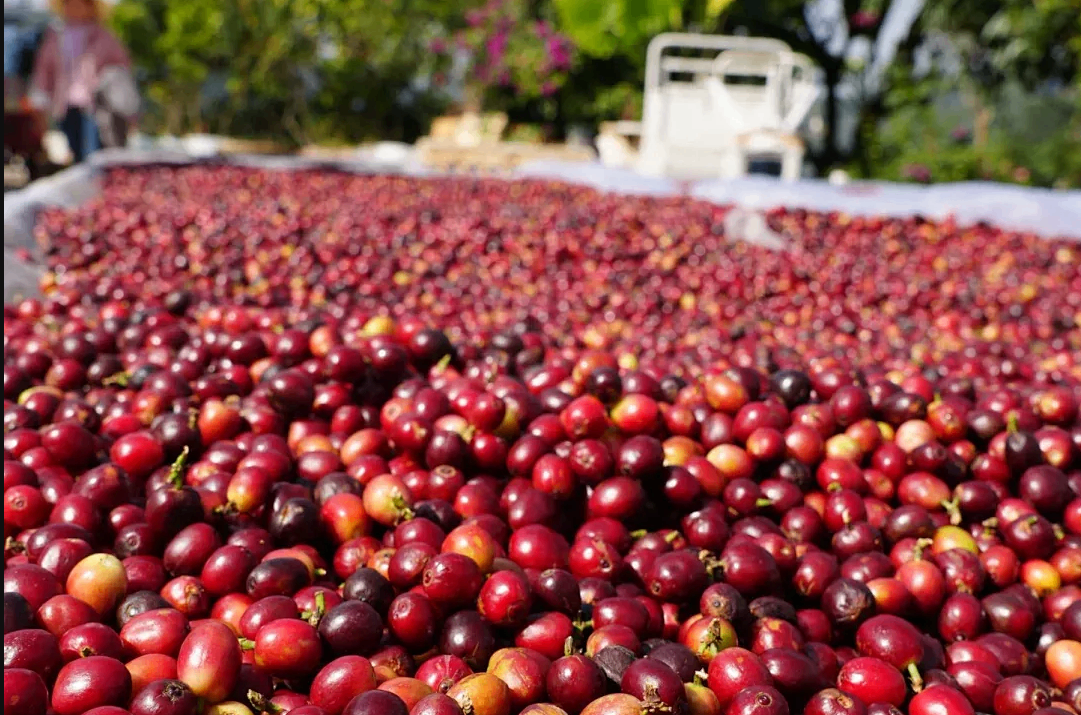
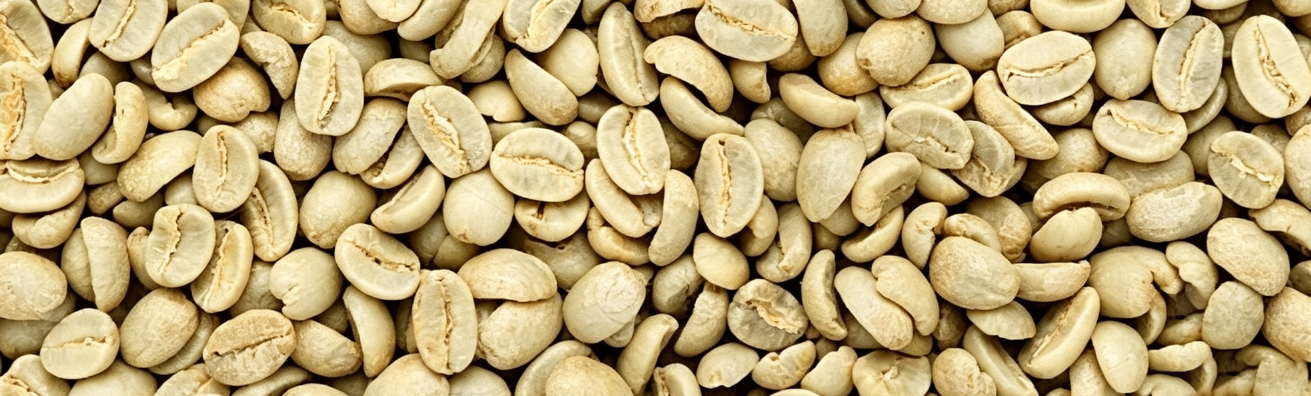
The coffee bean huller is a core piece of specialized equipment in dry-process coffee production lines. It comes in two main types: the disc-style dry bean huller (suitable for natural/sun-dried whole coffee cherries) and the rubber-roller parchment huller (suitable for washed parchment coffee beans). These machines are designed to remove the hard outer shell of dried coffee cherries or the parchment layer from beans. After hulling, an automatic air-separation system separates the husks and fragments from the intact green beans. The huller can be integrated with Z-type bucket elevators, stainless steel hoppers, color sorters, and dryers to form a complete coffee processing line, making it widely used in coffee estates, small-to-medium-sized processing plants, and export-oriented primary processing facilities.
PRODUCT STRUCTURE
● Adjustable Feed Hopper:Equipped with a flow-regulating gate to ensure uniform, steady feeding and prevent machine jams caused by overloading; compatible with elevators for automated, continuous feeding.
● Features counter-rotating elastic rollers operating at differential speeds to apply gentle compression and shearing; specifically designed for washed parchment coffee beans, ensuring a minimal rate of bean breakage.
● Featuring a built-in high-pressure fan and cyclone collection duct, the system automatically blows away lightweight husks, dust, and silverskin the moment de-hulling occurs. Husks are collected separately, while clean green beans are discharged from the outlet, eliminating the need for secondary cleaning.
● Standard industrial motor + belt-driven pulley system ensures stable operation and low noise; dual-unit models feature independent motors, doubling production capacity while allowing for independent operation.
● High-level discharge outlet: Supports single or dual-outlet diversion, allowing for direct connection to storage silos, packaging machines, or sorting equipment.
● The machine features an all-steel frame constructed from thickened steel plate via integrated welding, ensuring stable load-bearing; the space reserved at the bottom facilitates the collection of scrap material from the casing.
PRODUCT PRINCIPLE
Coffee beans dried to the required standard (10%–12% moisture content) enter the hulling chamber at a steady rate from the feed hopper, where the parchment layer is removed through the differential-speed squeezing action of rubber rollers. The resulting mixture of hulled beans and husks enters an air-separation channel; lightweight husks and dust are extracted by the airflow, while the intact, heavier green beans settle by gravity and exit through the discharge outlet. This process combines hulling and separation into a single step, operating within a fully enclosed system that prevents dust emissions.
PRODUCT ADVANTAGES
● High hulling efficiency with a hull removal rate of ≥98%
● Controllable breakage rates to preserve commercial value
● Integrated dust removal and air separation for a clean, eco-friendly workshop
● One machine compatible with various coffee raw materials
● Simple maintenance and contamination-free product switching
TECHNICAL SPECIFICATION

APPLICABLE SCENARIOS
Small and medium-sized coffee processing plants: standardized processing of Arabica and Robusta green beans
This coffee bean huller is specifically designed for processing dried coffee cherries and parchment coffee. It features a high hulling rate with minimal bean breakage and incorporates an integrated air-separation and dust-removal system for the automatic separation of hulls and beans. The machine is robust, durable, and easy to maintain; it can be paired with elevators and color sorters to form a fully automated coffee processing line, serving as a key piece of equipment for coffee estates and export processing plants to enhance green bean quality and reduce processing losses.

Nov. 07, 2026
2026 gravity separator utilizes differences in material specific gravity to perform sorting. It is specifically designed to remove impurities and inferior-quality grains that are similar in size to the target seeds—particles that are otherwise difficult to separate using conventional air-screen or vibrating-screen cleaners. It serves as a core piece of precision-sorting equipment in processing lines for grains, sesame seeds, and legumes.

Nov. 05, 2026
Sesame seeds are extremely small (approximately 1.5–2 mm in diameter) and flat-oval in shape, with a smooth surface, high oil content, and relatively low specific gravity. These physical characteristics present unique challenges for cleaning: while light impurities—such as stalks, husks, dust, and shriveled or empty seeds—can be removed via air classification (aspiration), and oversized or undersized debris can be intercepted through screening, certain contaminants pose a greater difficulty. Specifically, stones, sand, clods of soil, and metal fragments—which are similar in size to sesame seeds but have a significantly higher specific gravity—cannot be effectively separated by either air classification (as they are too heavy to be moved by airflow) or screening (as they pass through or are retained alongside the seeds).

Nov. 05, 2026
Professional Grain Cleaning Gravity Paddy Separator Suppliers

Nov. 04, 2026
Pakistan is a significant global producer and exporter of sesame seeds, ranking as one of the few oilseed crops for which the country maintains a net export position. According to data from Pakistan’s Ministry of National Food Security and Research, the area under sesame cultivation expanded substantially from approximately 259,900 hectares in the 2022/23 crop year to about 399,800 hectares in 2023/24—an increase of 53%. Production reached approximately 301,200 tonnes, a sharp year-on-year rise of 97.7%. For the 2024/25 crop year, production is projected to climb further to approximately 440,000 tonnes (a 44.7% year-on-year increase), with the harvested area—as recorded by FAOSTAT—exceeding 700,000 hectares. The primary production regions are concentrated in Punjab province (cultivated during the *Kharif* monsoon season, covering approximately 1.76 million acres in 2024) and parts of Sindh province. In recent years, technical cooperation between Pakistan and China, alongside the adoption of contract farming, has led to significant improvements in both crop yields and the level of commercialization.

Nov. 02, 2026
Guide to Selecting High Quality gravity paddy separator manufacturers

Nov. 02, 2026
Double Air Screen Cleaner: answers on cleaning, capacity and orders